

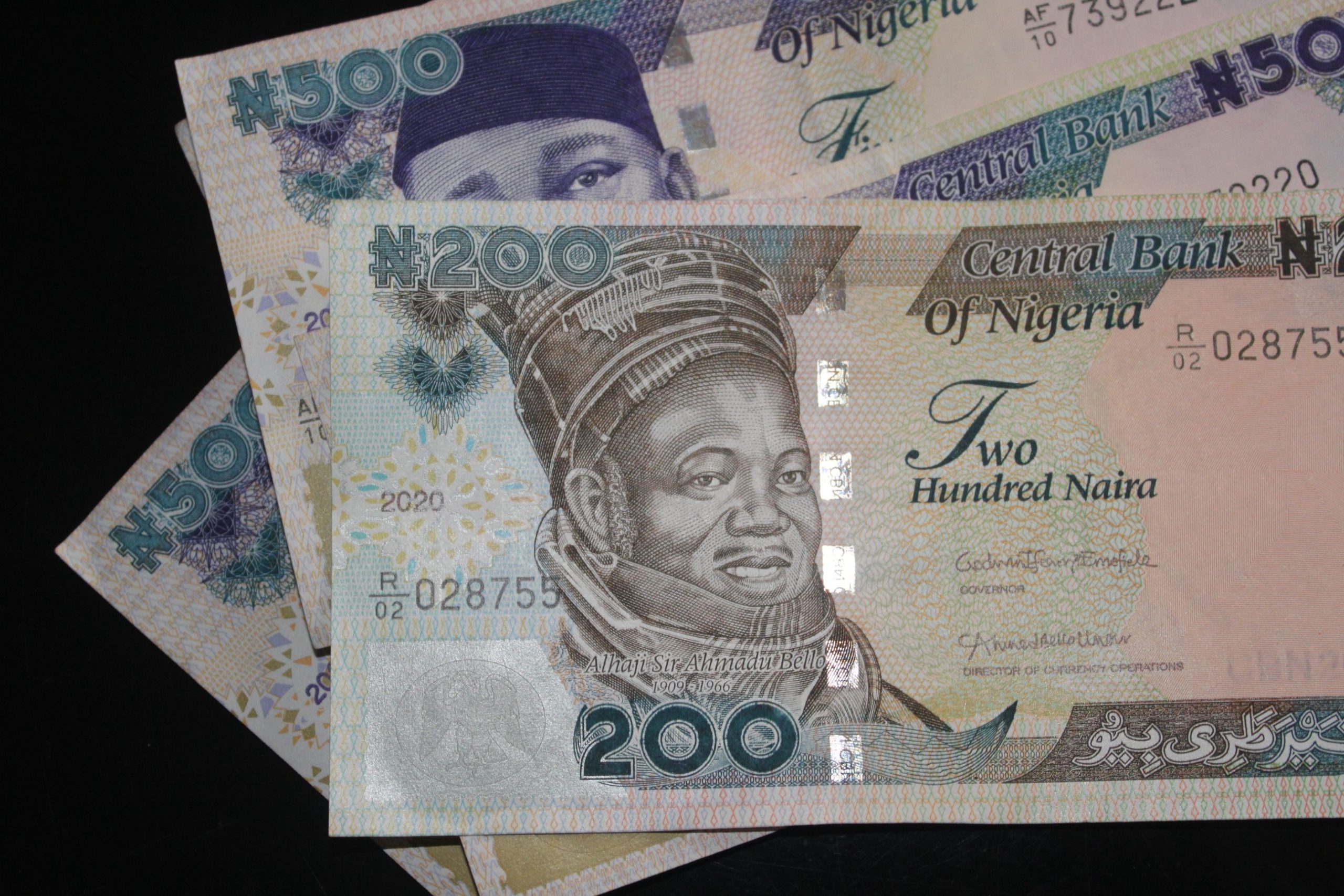
Nigeria's naira continued its downward trajectory against the US dollar on the official foreign exchange market, with the currency trading at approximately 1,364.89 units per dollar. The depreciation occurred against a backdrop of declining trading volumes in the nation's FX sector.
The weakening of the naira reflects ongoing pressures in Nigeria's foreign exchange landscape, where supply-demand dynamics continue to influence currency valuations. Reduced trading activity in the market suggests lower participation from investors and traders, potentially contributing to the currency's performance.
Currency analysts point to multiple factors affecting Nigeria's exchange rate environment, including global oil price movements, capital flows, and domestic economic conditions. The central bank has implemented various policy measures to stabilize the naira and manage foreign exchange reserves.
The depreciation has implications for Nigeria's import-dependent economy, affecting the cost of foreign goods and potentially impacting inflation levels. Businesses relying on dollar-denominated transactions face increased operational costs amid the naira's weakness.
Market participants continue monitoring central bank interventions and economic indicators for signals regarding future currency movement trends.
Reporting based on Punch Nigeria.
Trending Stories
- Global Leaders Gather for Emergency Climate Summit in Geneva
- Federal Reserve Holds Rates Steady as Inflation Shows Signs of Cooling
- Breakthrough in Quantum Computing Could Transform Data Encryption
- Senate Passes Bipartisan Infrastructure Maintenance Act
- Champions League Final: Record-Breaking Attendance as Madrid Clinch Title
Related
Related Articles



More in World: Hodgkinson beaten to European gold by rival Werro | Sokoto State Allocates $1.76 Billion for Motorcycle Fleet to Strengthen Security Response | Rashford returns as AC Milan highlight issues facing Carrick
Get more like it — subscribe to LatitudeWire for free.